

What’s in your First Aid Kit? Homeopathy for the Wilderness
Disclaimer: I am not a certified medical professional. Contact your physician with any health related concerns.
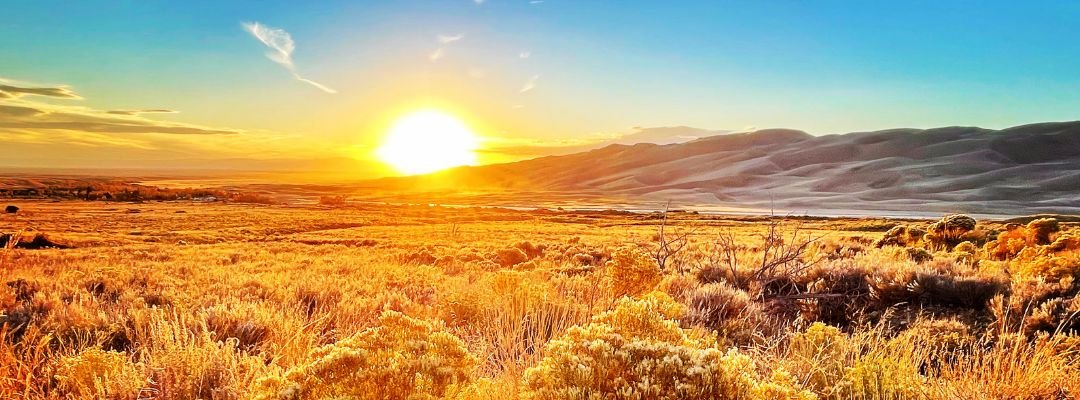
My big vacation for the summer is a 60-mile backpacking trip with the Scouts! Next week, we are heading to New Mexico's renowned Philmont Scout Ranch to traverse mountains, engage in pioneering activities, cook over a fire, and tent camp under the night sky for 12 days.
We are a crew of 5 boys, 2 girls, and 4 adults, ready for adventure.
(Wish me luck!)
When spending time in the wilderness, it's important to be prepared for difficult situations. We are filling the First Aid kit with common materials like gauze and antiseptic, BandAids and anti-diarrheals.
From a holistic perspective, I always bring additional supplies that can support quick healing in scary situations. Specifically, I bring a handful of important homeopathic remedies.
A little history for you...
The founder of Homeopathy, Samuel Hahnemann chewed on the bark of a Quina/ Cinchona tree. He began to feel symptoms similar to malaria. Upon giving the bark to a person with malaria, he found that the patient quickly healed. The Quina/ Cinchona bark reminded the body how to heal itself from those symptoms.
From this experience, Homeopathy was born with the fundamental principle of "like treats like".
A homeopath takes substances from nature, puts them in water, and dilutes the solution until the original substance can no longer be detected. The water contains the energetic signature of the original substance.
When treating a patient, a homeopath identifies the substance from nature (plant, animal, mineral) that acts most similarly to the given symptoms. When the correct homeopathic remedy is selected (that's the difficult part!) , there can be an instant improvement.