The Science of Breathwork

As I often share in class, breath is the very foundation of Qigong.
The word Qi can be translated as breath or vital life-force energy.
Gong means cultivation or skill developed through steady practice.
Together, Qigong is the cultivation of breath. It is the development of vital energy in the body.
Every form of Qigong, whether movement, meditation, or clinical healings, center around nurturing this life-force energy and expanding our capacity to receive breath.
Yoga instructor Sharon Gannon reminds us that:
“Life begins with an inhale and ends with an exhale. In between that inhale and exhale is our life.”
To breathe is to live! Without breath, there is no life.
You can imagine my interest upon hearing that a scientist would speak about the clinical impact of breathwork on the human body. On October 11, I had the pleasure of meeting Dr. Sundar Balasubramanian as he shared his research on the power of the breath.
In retrospect, I wish that I had invited all of you; without exaggeration, his talk was life changing.

I arrived at the Una Vida studio in Niwot to find Dr. Sundar personally greeting each guest. I was struck by his bright eyes, warm smile, and offer of a genuine hug. His radiant energy was mesmerizing.
Dr. Sundar was born and raised in India, where yoga and yogic breathing was part of his daily life. He brought this rich tradition with him to the US, where he began a research career at the Medical University of South Carolina (MUSC) and Yale University. Today he works as a researcher and associate professor in the Department of Radiation and Oncology at MUSC.
Q: What do you get when you cross a scientist with yoga?
A: Someone who won’t just feel the benefits—they’ll want to measure them!
And that is exactly the gift we received from Dr. Sundar; he felt the effects of yogic breathing and started down the path of quantifying them.
When his beloved father passed in 2006, Dr. Sundar turned to breathwork (pranayama) to help him process the intense grief. He was surprised that every yogic breathing practice led to increased saliva in his mouth.
He considered the function of saliva beyond digestion:
“ …in our childhood, whenever we are stung by a bee, beetle, or ant or any scratch to the skin or wound the first thing we do is apply our own saliva.” (PranaScience, 31)
He wondered if there was something special about saliva for physical health.
“I know that saliva contains, in addition to digestive enzymes, several proteins, neurohormones and small peptides that could have multiple functions in our bodies.” (PranaScience, 31)
As a scientist, he wondered about the physiological makeup of saliva before and after breathwork. How does a breathing practice influence the molecular and chemical composition of saliva?
Dr. Sundar designed a research study to investigate. His initial findings were stunning: there was more nerve growth factor in the saliva of people who had just completed breathwork! These nerve growth factors support the nervous system throughout the body, from brain function (reducing alzheimers) to gut health (digestive regulation), and more.
Dr. Sundar expanded his research of saliva and discovered that a single 20 minute breathwork session altered the levels of more than 22 different proteins. In the saliva, there was an increase in proteins related to immune function, increase in cancer-fighting proteins, and a decrease in proteins associated with inflammatory markers. The breathwork was producing more saliva with a strengthened immune support for the participants!
Interested in the research? Check out Dr. Sundar’s website to read his scientific papers on PubMed: https://pranascience.com/research/
Dr. Sundar is currently researching the effects of breathwork on the health outcomes of cancer survivors. His goal is to reduce long-term side effects of cancer treatments through Yogic Breathing.
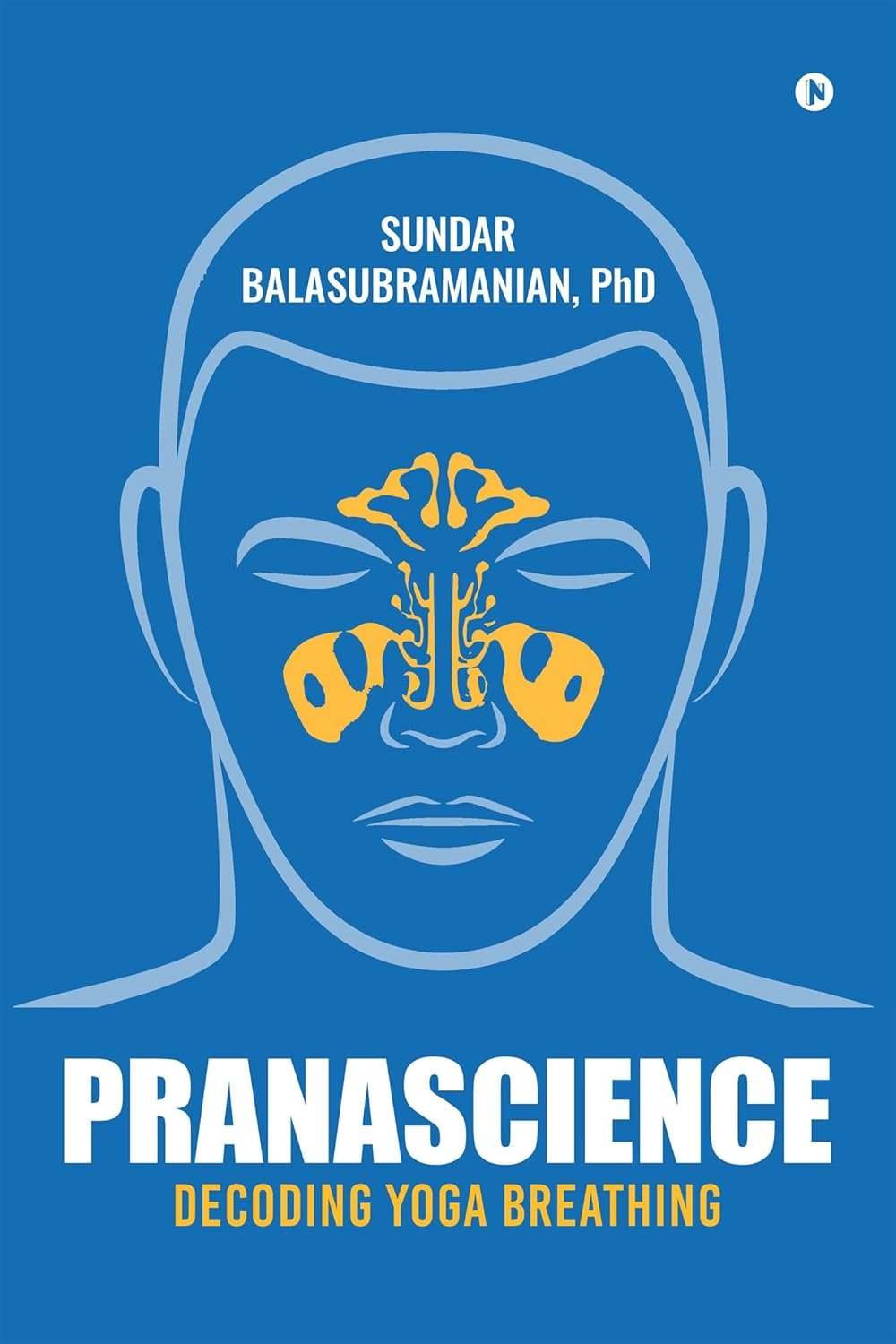
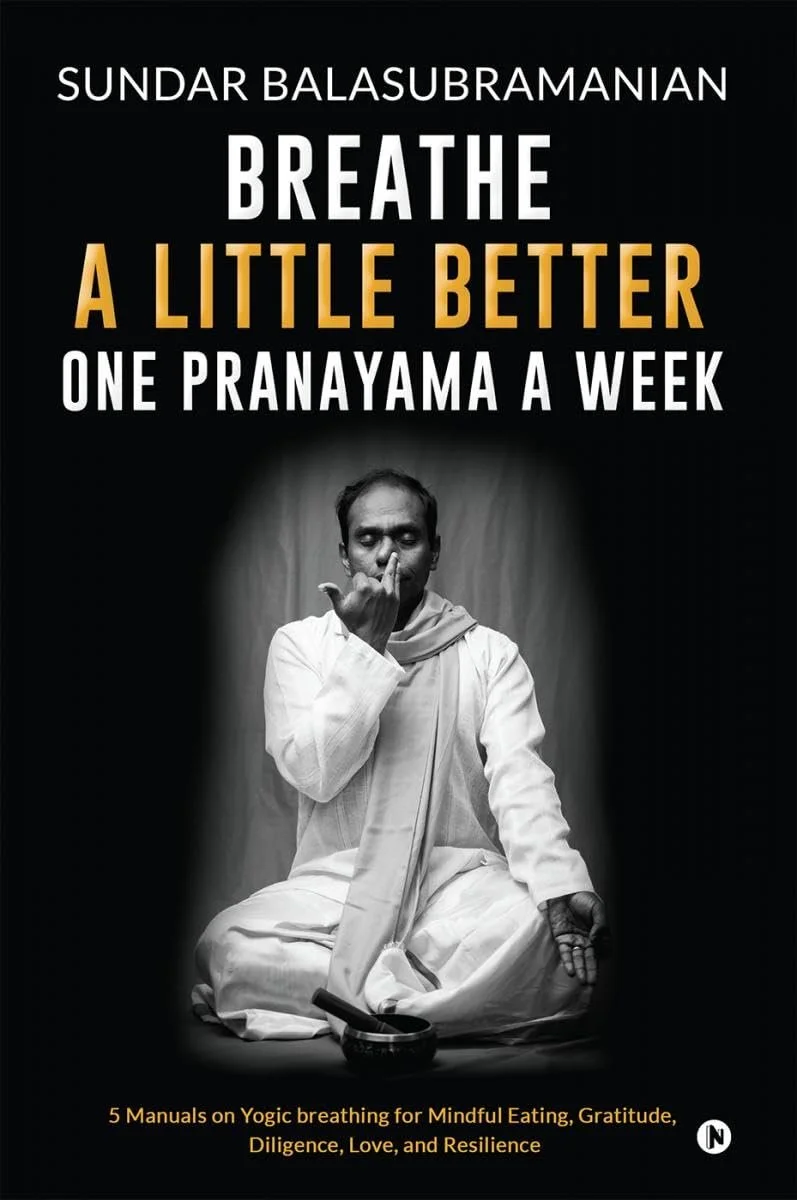

Dr. Sundar has published 3 books on the topic:
PranaScience: Decoding Yoga Breathing - This book contains Dr. Sundar’s personal story, translations of Tamil philosophy, and the health results of his yogic breathing research studies.
Breathe a Little Better: One Pranayama a Week – This book provides breathwork practices to support mindful eating, cultivate gratitude, promote diligence, nurture resilience, and enhance love and compassion.
Mind your Breathing: The Yogi’s Handbook with 37 Pranayama Exercises – This book compiles ancient breathwork techniques and how to effectively practice.
What are my key take-aways?
Deep, mindful breathing can change the course of the aging process, healing process, and quality of life.
Would it be possible to heal literally any physical ailment by improving the breath?
I commit to experimenting with breathwork to potentially rewire my gut-brain connection and improve my digestion.
Breathing appears to be a low-cost, accessible, and effective method for improving health.
Interested in hearing Dr. Sundar speak about this topic? Check out his TedX talk: https://tedxcharleston.org/watch/the-science-of-yogic-breathing/
Thank you to Dr. Sundar for continuing to research such an important topic. Thank you for traveling to Colorado to share your discoveries.